Maritime Deployment Readiness
Operational planning and vessel-aligned staging frameworks support launch execution in dynamic maritime environments.
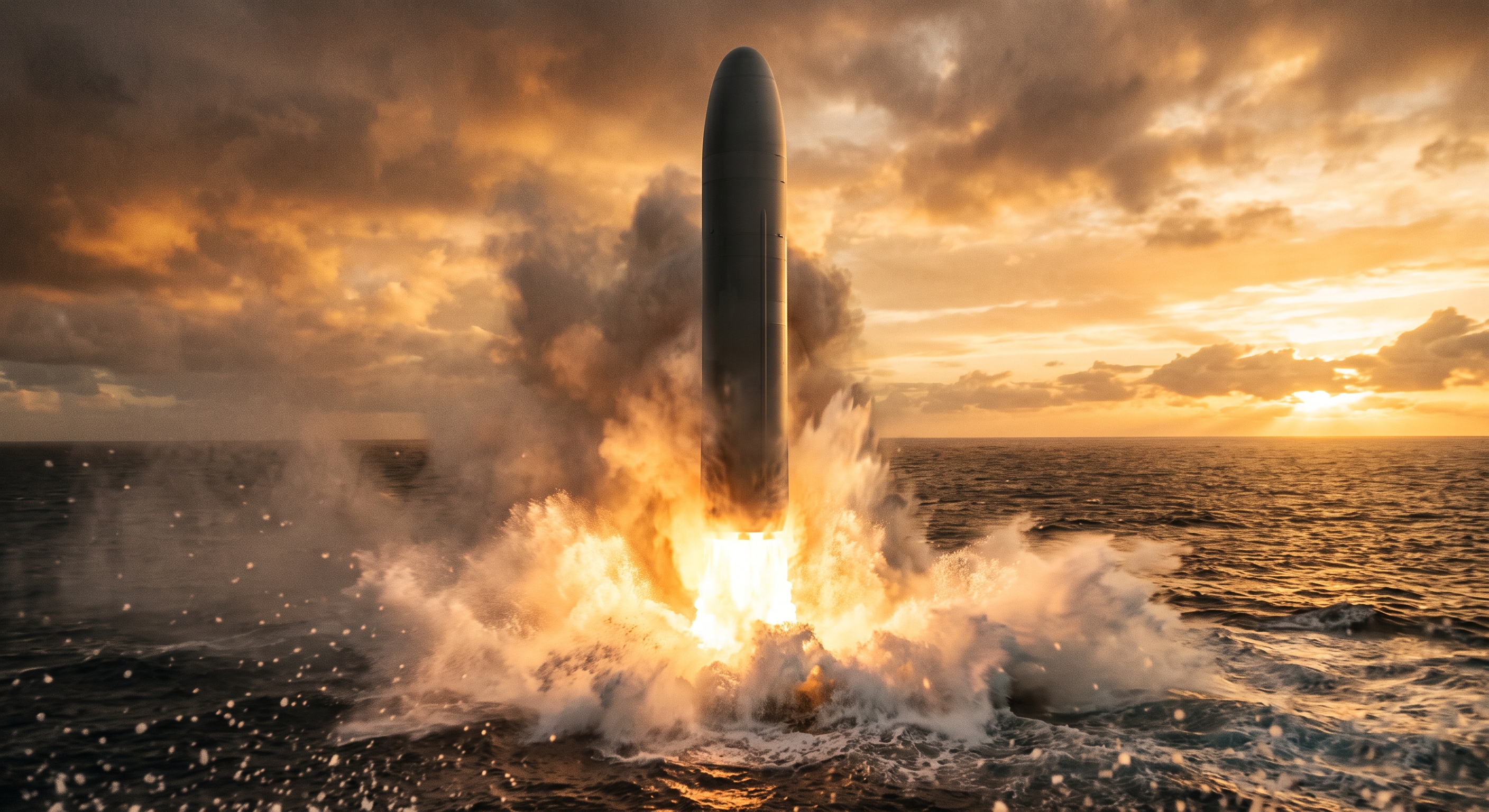
Led by Founder and CEO Robert Drake, Apex Orbital Systems, Inc. is a federally registered aerospace and defense entity building Leviathan with proprietary Vortex electric drive technology, a deterministic flight control kernel, and advanced active gaseous supercavitation for rapid deep-water spacelift.
Capabilities
Apex Orbital Systems integrates deployment logistics, systems engineering, modular hardware strategy, and proprietary Vortex propulsion and power architectures to deliver confident, rapid-response maritime launch execution.
Operational planning and vessel-aligned staging frameworks support launch execution in dynamic maritime environments.
Disciplined systems methods compress decision cycles while preserving technical traceability for high-tempo mission timelines.
Interchangeable subsystem patterns enable scalable configurations, faster adaptation, and lower integration risk across mission profiles.
Powered by proprietary high-density Vortex axial-flux electric motors, delivering an unmatched 1,000 horsepower per pump drive module.
Architecture
A structured platform approach links reconfigurable hardware, fast mission preparation, and disciplined subsystem integration.
Independent mission, power, and control modules shorten reconfiguration cycles across platform variants.
Pre-qualified interfaces and maritime-ready packaging reduce preparation time from planning to launch posture.
Proprietary propulsion and power hardware synchronizes with guidance and telemetry layers through a unified systems backbone.
Assurance
Our approach emphasizes controlled engineering decisions, secure collaboration standards, and deployment-ready system thinking for mission-critical programs.
Design tradeoffs are guided by mission timelines, operational constraints, and clear readiness priorities.
Engagements are structured through controlled communication paths and careful handling of sensitive program context.
Architectures are organized in configurable modules so missions can adapt without resetting core system foundations.
Interfaces, validation checkpoints, and configuration control keep complex subsystems aligned and dependable.
Frequently asked questions
Brief answers to common pre-inquiry questions from institutional and technical stakeholders.
We primarily engage with government and defense-adjacent procurement teams, maritime operations stakeholders, aerospace primes, and engineering partners requiring disciplined execution and high-consequence mission alignment.
It refers to launch-ready maritime concepts designed for compressed timelines, adaptable deployment profiles, and mission continuity under changing operational constraints.
Modular subsystem boundaries allow mission-specific configuration, staged integration, and iterative upgrades without full platform redesign, improving adaptability across evolving technical and operational needs.
Submissions are reviewed through a controlled intake workflow, triaged by relevance and sensitivity, and routed only to appropriate internal stakeholders for confidential follow-up.
Use the form for partnership exploration, mission concept alignment, systems engineering collaboration, procurement-oriented capability review, and technically scoped strategic conversations.
Ready to continue? Submit a secure inquiry to initiate a confidential discussion.
Secure Contact
All inquiries are handled through a controlled intake process with disciplined confidentiality standards.
Share your mission context and our team will respond with the appropriate technical pathway.